Dr. Lena Hoffmann
Articles (41)
Battlefield 6 Hardware Ban: Why Javelin's TPM Lock Makes It Stick
A Battlefield 6 hardware ban targets your machine, not your account. Here's what EA Javelin fingerprints, why TPM 2.0 makes it durable, and where software stops.
The UEFI flaw that let cheats hide: why your DMA protection may be lying
A UEFI flaw on ASRock, ASUS, GIGABYTE and MSI boards reported DMA protection as on while IOMMU wasn't initialized. What it is, why it matters, and how to fix it.

The death of the ban wave: anti-cheat goes real-time
Scheduled ban waves are giving way to real-time enforcement that acts the instant thresholds are crossed. Why studios moved, and what it means for hardware bans.
RICOCHET's cloud attestation: how Call of Duty verifies your PC with Microsoft
Call of Duty's RICOCHET now verifies TPM and Secure Boot through Microsoft Azure, not your PC. How cloud attestation works and what Failed Attestation means.

War Thunder's anti-cheat: Viking, BattlEye, and how its bans work
War Thunder runs two anti-cheats: kernel-level BattlEye and ring-3 Viking. What each does, how the hardware bans work, and what Gaijin says about data.
Changed some parts and still banned? How composite HWID matching works
Swapping one component rarely beats a hardware ban and can trip evasion detection. How composite, tolerant matching flags partial hardware changes.
The Steam Machine's anti-cheat problem: why your games may not run
SteamOS runs Windows games via Proton, but kernel anti-cheats like Vanguard and Ricochet stay Windows-only. Why, what works, and the HWID link.
IOMMU and DMA cheats: the memory firewall anti-cheats now require
IOMMU is the hardware memory firewall FACEIT and Vanguard use to shut down DMA cheats. How it works, and the truth behind the bricking myth.
ACE explained: Tencent's kernel anti-cheat and its hardware bans
ACE is Tencent's kernel anti-cheat in Delta Force and more. What it reads, how its HWID bans work, why it's criticized, and the EAC conflicts.
How anti-cheats are actually catching DMA cheats in 2026
DMA cheats spent years almost undetectable; in 2026 that has finally started to change. Here's how anti-cheats are catching them — and where the limits still are.
Why Vanguard now wants you to update your motherboard
A VAN:Restriction prompt to update your motherboard is Vanguard closing a real, CVE-tracked firmware flaw — here's the flaw and how to clear the restriction.
How anti-cheats fingerprint your PC: what Vanguard, EAC and BattlEye read
Vanguard, EAC and BattlEye run in kernel mode for a reason — they read SMBIOS, disks and network adapters directly. Here is exactly what they see.
How anti-cheats actually detect cheats
Signature scans, memory integrity, behaviour analysis, server-side statistics — the layers that make up modern cheat detection.
DMA cheats: when the cheat is not on the gaming PC
DMA cheats run on a second computer and read game memory over the PCIe bus. Why they are the hardest kind for anti-cheats to see.
What is a rootkit, and why does it matter for anti-cheat?
A rootkit hides deep in a system to avoid detection. The same depth makes it relevant to both cheats and anti-cheats.
How to enable Secure Boot
Secure Boot is required by Windows 11 and some anti-cheats. How to check its status and turn it on safely.
How to enable TPM 2.0 on your PC
More games and Windows 11 itself require TPM 2.0. How to check whether yours is on and enable it if not.
How AI and machine learning are used in anti-cheat
Modern anti-cheat increasingly leans on machine learning to spot cheaters by behaviour. How it works and where it fits.
Genshin Impact's anti-cheat and the driver that got abused
Genshin's anti-cheat ships a kernel driver — and one such driver became a real-world cautionary tale about kernel-level code.
OS fingerprinting: identifying a device below the browser
Browser fingerprinting gets the attention, but the operating system leaks identifying signals of its own.
Replay review: catching cheaters by watching the game
Some of the strongest anti-cheat evidence is the match itself. How recorded-game review works alongside detection.
Code signing and why drivers must be signed
A digital signature tells your PC where a piece of software came from. For kernel drivers, it is mandatory — for good reason.
Hardware attestation: where anti-cheat is heading
Instead of scanning for cheats, attestation has the hardware itself vouch for the system. Here is the idea.
WMI and HWID: the API anti-cheats love
WMI and HWID — the API anti-cheats love most.
Kernel driver safety: what we ship vs. what you should fear
Kernel driver safety — what we ship vs. what you should fear.
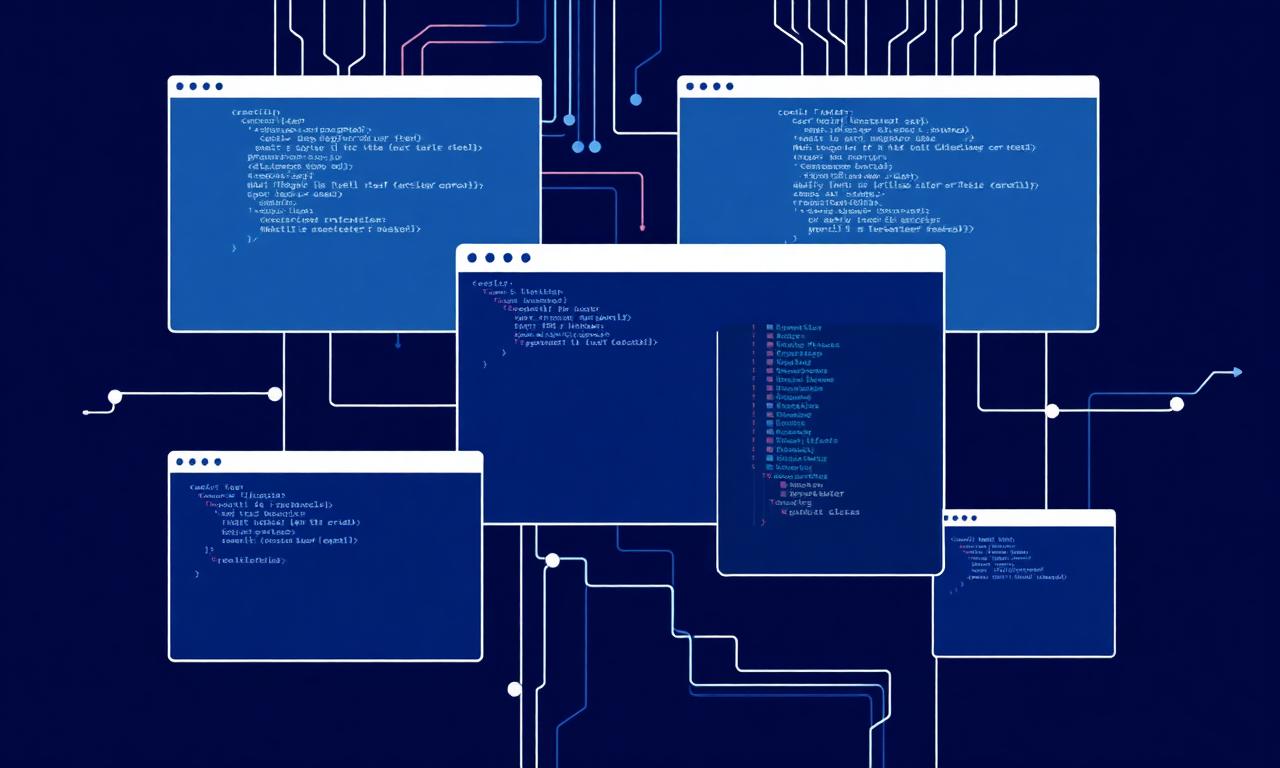
What is a hypervisor?
A hypervisor is the layer that makes virtual machines possible. Understanding it explains a lot about VMs and anti-cheat.
The Windows Registry, explained simply
The Registry is where Windows keeps its settings — and where some of your PC's identifiers live.
Spoof-detection techniques used by modern anti-cheats
How modern anti-cheats detect HWID spoofing — and how to spoof safer.
BIOS vs UEFI: what's the difference?
The firmware that starts your PC has quietly changed. What UEFI replaced, and why the difference matters.
Intel and AMD CPUID — what your processor tells the world
Intel and AMD CPUID — what your processor actually tells the world.
What is a UUID?
UUIDs are everywhere — in your motherboard, your software, your data. Here is what makes them "universally unique."
Virtual network adapters and why they are not your HWID
Your PC may list several network adapters you never bought. Most are virtual — and identifiers ignore them.
Your monitor has an identity too: EDID explained
The display you plug in tells the PC exactly what it is. That description, called EDID, can be an identifier.
USB devices as a fingerprinting signal
Every USB device announces itself to your PC. The set of what is plugged in can become an identifier.
Registry MachineGuid — the hidden Windows fingerprint
Registry MachineGuid — the silent Windows fingerprint, and how to change it correctly.
Microsoft Pluton arrives: a new HWID baseline
Microsoft Pluton arrives — what it is, and what it changes for HWID.
Secure Boot and anti-cheat: living in harmony
Secure Boot and anti-cheat — how to live with both enabled.
GPU UUID — the silent fingerprint inside your PC
GPU UUID — the silent fingerprint inside your PC, and why every modern anti-cheat reads it.
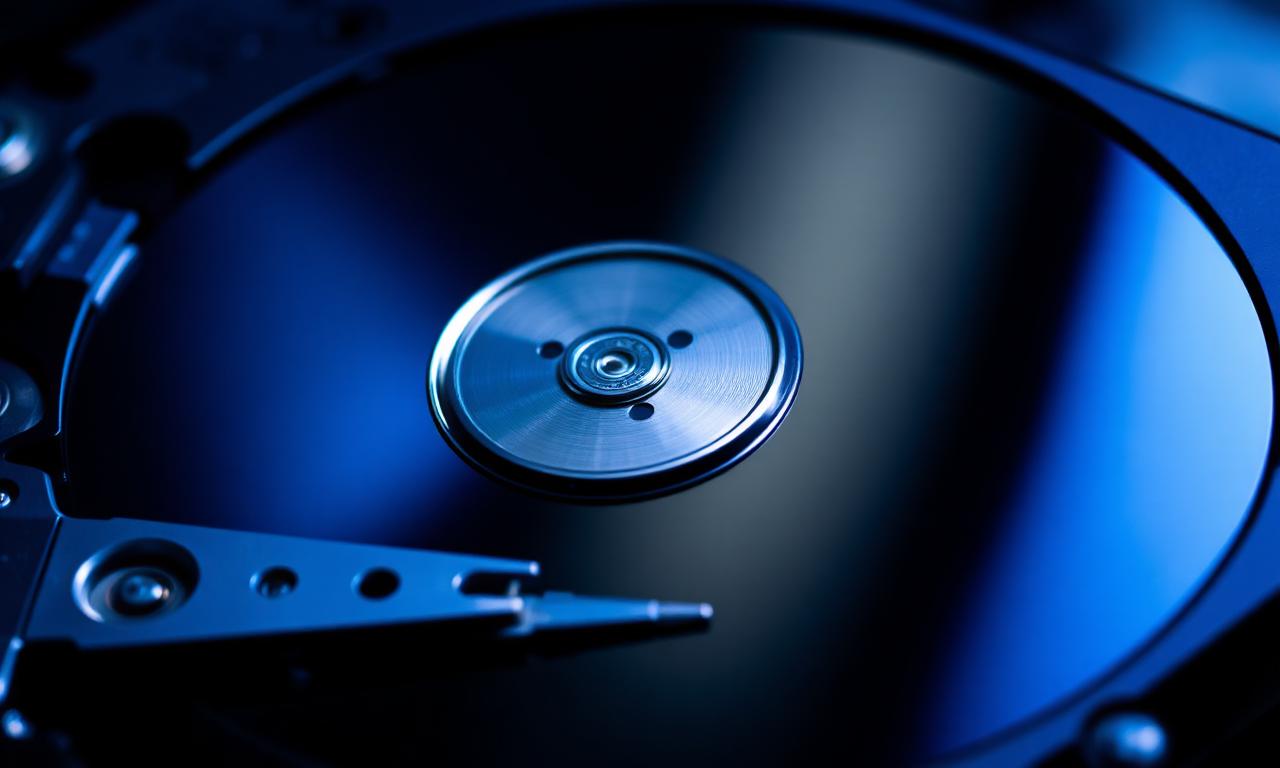
Disk serial numbers: NVMe, SATA, and how they're spoofed
Disk serial numbers — NVMe, SATA, and how to spoof them correctly.
TPM 2.0 explained — why anti-cheats now love it
TPM 2.0 explained — and why anti-cheats started loving it almost overnight.
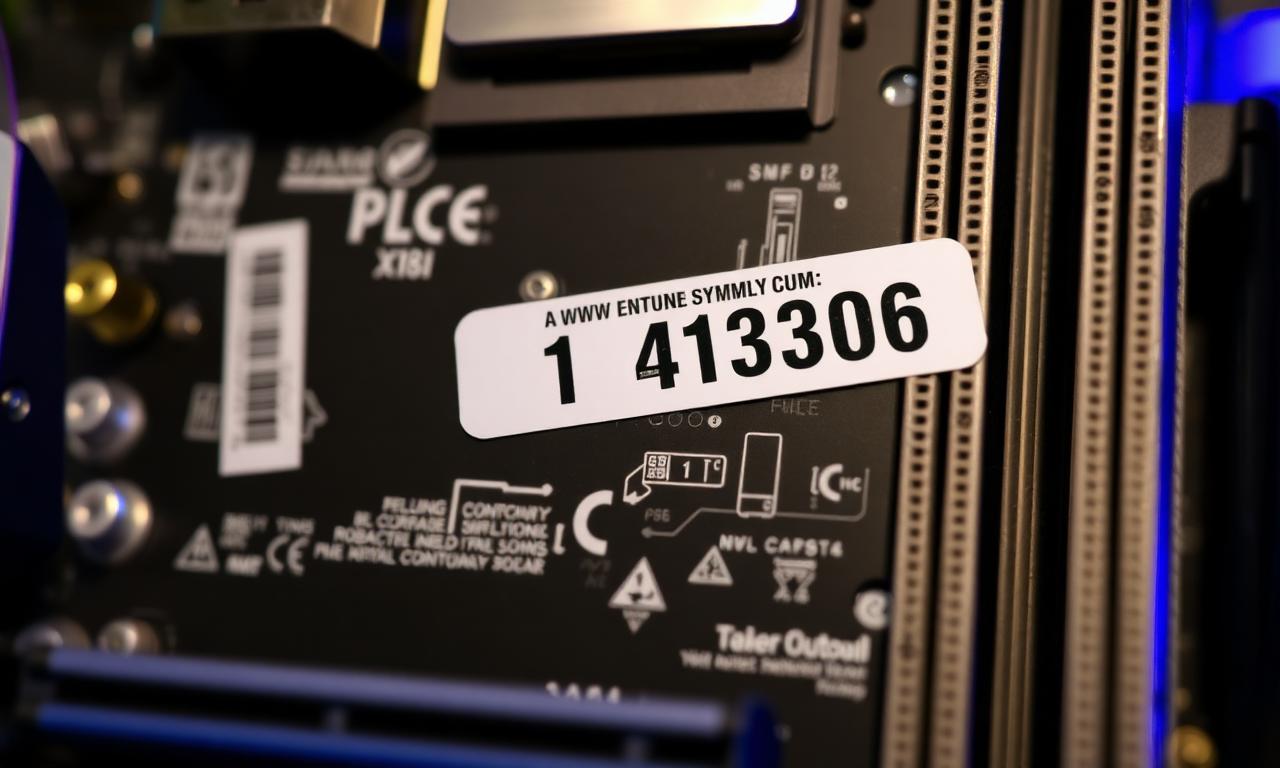
SMBIOS explained: the source of truth about your hardware
Why every serious anti-cheat reads SMBIOS first — and how the table is structured.