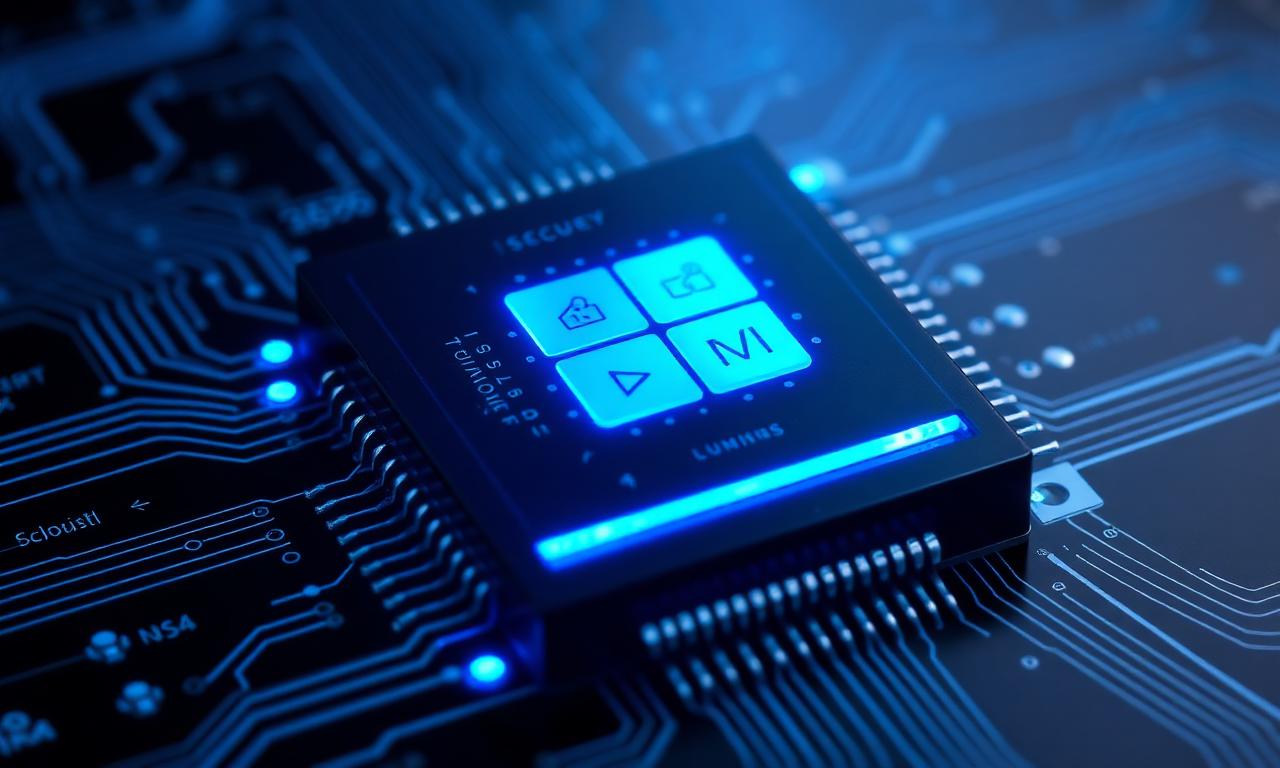
Microsoft Pluton is a security processor designed by Microsoft and built directly into modern CPUs from AMD, Intel and Qualcomm — rather than sitting as a separate TPM chip on the motherboard.
What makes Pluton different
A classic TPM is a chip on the board. Pluton lives inside the CPU itself, and it updates its firmware from Microsoft directly, bypassing the motherboard vendor. That closes a class of security vulnerabilities — and it also gives a Pluton-equipped PC a hardware-rooted identity that is genuinely tied to the silicon.
What it means for hardware identity
On a Pluton-based machine, the cryptographic keys are generated inside the chip and never leave it. For anti-cheats and other systems, that is an attractive anchor: an identity you cannot rewrite in software. It is the clearest sign of where hardware identity is heading — from "a value in the registry" to "a key sealed in silicon".
The practical angle
Pluton is not always switched on — many systems leave it disabled in BIOS by default. If you do not rely on features that need it, it can simply be left off, and the machine falls back to the classic hardware baseline.
The honest takeaway: firmware-rooted identity like Pluton is not something a software tool changes. It is a real limit, and the realistic response is understanding it rather than expecting any utility to rewrite it.