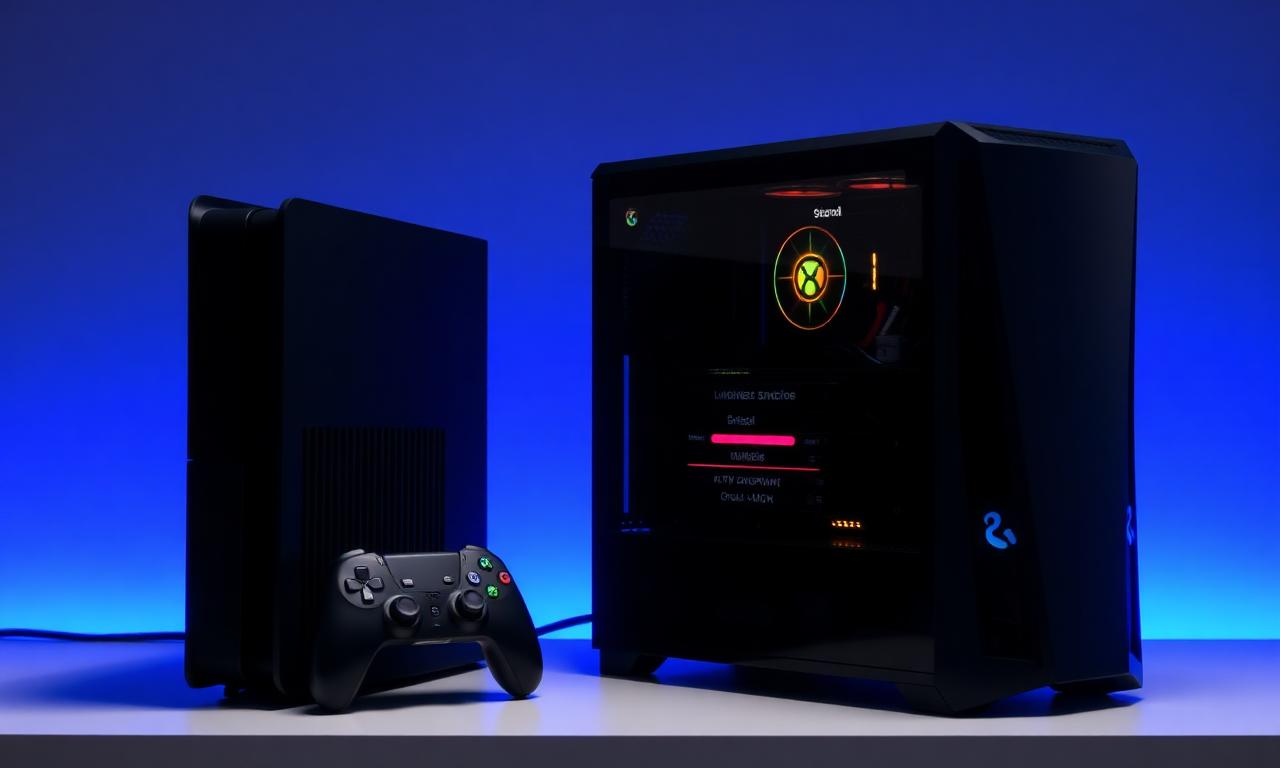
Ask any competitive player and they will tell you cheating is a bigger problem on PC than on console. That is true — and the reason comes down to one architectural difference.
Closed versus open
A PC is an open platform. You control the operating system, you can install any software, and with effort you can inspect and modify almost anything running on it. A console is the opposite: a closed, locked-down system. You cannot freely install arbitrary software, you cannot easily touch the operating system, and games run in a controlled environment the manufacturer designed.
Why that stops most cheats
Most PC cheats work by running software alongside the game — reading its memory, injecting code, modifying what it does. A locked console simply does not let unauthorised software run that way. The cheat has nowhere to live. This is why the aimbots and wallhacks that plague some PC games are far rarer in their console versions.
Console cheating still exists
"Rarer" is not "none." Console cheating tends to take different forms: external input devices that translate mouse-and-keyboard or add unauthorised aim assistance, modified or jailbroken consoles, and hardware-based approaches that work outside the console's software. It is harder, costs more, and reaches fewer people — but it is not zero.
The crossplay complication
Crossplay mixes the two worlds in one match. That raises a real question: a console player benefits from the closed platform's protection, but a PC player in the same lobby does not. Many games respond with input-based matchmaking or let console players opt out of lobbies with PC players, precisely because the cheating risk is not evenly distributed.
The takeaway
Cheating is rarer on console because a closed platform denies cheats the freedom they need to run. PC's openness — the same openness that makes it powerful — is also what makes it harder to police. Crossplay is where those two realities meet, which is why it gets special handling.